
A Revolutionary Sitcom: The Birth of All in the Family
When All in the Family debuted on January 12, 1971, it was nothing like the family-friendly sitcoms audiences were accustomed to. Shows like Leave It to Beaver or The Brady Bunch portrayed families in a highly idealized light, offering a reassuring version of suburban life that was more fantasy than reality. In contrast, All in the Family boldly embraced the imperfections of family life, showcasing a deeply flawed, yet endearing family at the center of it all.
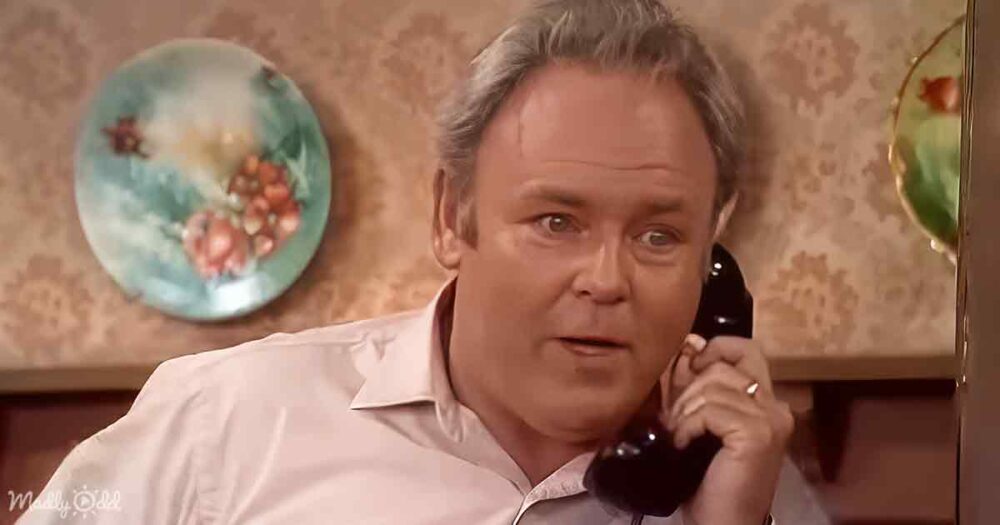
The show introduced the character of Archie Bunker, played by Carroll O'Connor, a blue-collar man with a big heart—but also a big mouth. Archie, a World War II veteran, was unapologetically prejudiced, outspoken, and stuck in his ways. He wasn’t afraid to speak his mind, even if that meant making controversial, sometimes offensive statements. His wife, Edith (Jean Stapleton), was the loving, soft-spoken counterpart who always seemed to let Archie get away with his rants, often with a smile.
But the real spark of All in the Family was the relationship between Archie and his son-in-law, Mike Stivic (Rob Reiner), a young, liberal college student. Mike was the antithesis of Archie—intelligent, progressive, and outspoken about his liberal views. This clash of ideologies set the stage for some of the show’s most memorable moments and conversations.
What made All in the Family so revolutionary wasn’t just its characters or its humor, but its willingness to tackle uncomfortable, real-world issues that were largely ignored or avoided on television. Topics like racism, feminism, mental illness, and social change were all handled with brutal honesty, using comedy as a vehicle to address serious, often divisive subjects.
Archie Bunker: The Anti-Hero We Loved to Hate
Archie Bunker wasn’t a typical sitcom lead. He wasn’t a lovable fool or a bumbling dad—he was a flawed, deeply prejudiced man who saw the world through a narrow, often painful lens. Archie wasn’t afraid to voice his ignorance, and in doing so, he reflected the prejudices and biases that many people still held in American society at the time. He was a reflection of a certain segment of the population, one that resisted change and struggled to accept the cultural shifts of the 1960s and 1970s.
And yet, despite his flaws, Archie was still relatable. He wasn’t a villain, but a product of his upbringing and circumstances. What made the show so groundbreaking was its ability to make viewers laugh while also making them uncomfortable. Archie’s rants often came with a sharp edge of truth that forced viewers to confront their own biases and assumptions. But the show never let Archie’s views go unchallenged. His bigotry was constantly confronted by his family—particularly by Mike Stivic, whose clashes with Archie became a central theme of the show.
What made Archie’s character so compelling was his vulnerability. Beneath his tough, racist exterior, Archie had a deep sense of insecurity. His traditional beliefs were often challenged by the rapidly changing world around him. And while he may not have always admitted it, there were moments of humanity in Archie’s character that showed he wasn’t entirely closed off to change. He may not have agreed with his liberal son-in-law, but there were moments when they found common ground, and those moments—however brief—offered a glimmer of hope that change was possible.
Tackling Social Issues Head-On
Before All in the Family, sitcoms rarely ventured into the territory of serious social issues. If they did, it was often in a light, fluffy way—nothing that might offend or disturb the viewers. But All in the Family wasn’t afraid to go there. It addressed topics that were both controversial and timely, reflecting the tumultuous social and political climate of the late 1960s and early 1970s.
Racism and Prejudice
One of the most significant themes of All in the Family was racism. Archie Bunker’s character was openly racist, regularly making derogatory remarks about African Americans, Hispanics, and Jews. His bigotry was often the source of conflict between him and his family members, especially Mike, who was quick to call out Archie’s prejudice. But the show didn’t just present Archie’s racism as a caricature. Instead, it used Archie’s views to start a broader conversation about race relations in America.
In one of the most memorable episodes, “The Draft Dodger,” the Bunkers find themselves in a heated discussion about the Vietnam War. When Archie expresses his disdain for the anti-war protests, he goes on a tirade about how the country is being “taken over” by black people and hippies. Mike, always the voice of reason, challenges Archie’s views and points out the flaws in his thinking. The tension between the two characters is palpable, but it’s also hilarious—because it’s grounded in reality.
Through this dynamic, All in the Family forced viewers to confront their own attitudes about race and prejudice. It didn’t offer easy answers, but it encouraged dialogue. It wasn’t just a show about a bigoted man—it was a show about the challenges of change and the discomfort that often accompanies growth.
Feminism and Gender Roles
Another major issue tackled by All in the Family was feminism and the changing roles of women in society. Edith Bunker, Archie’s wife, was often portrayed as the typical 1950s housewife—submissive, cheerful, and accepting of her husband’s often outdated views. But All in the Family was never content to let gender stereotypes go unchallenged.
In one memorable episode, “The Way We Were,” Edith and Archie attend a class reunion, where they run into an old friend of Edith’s who has become a successful career woman. This prompts Edith to question her own life choices and whether she has lived up to her full potential. The episode wasn’t just about Edith—it was a commentary on the changing role of women in the workforce and the challenges that women faced as they sought to redefine their identities in the 1970s.
Through Edith, All in the Family explored the complexities of feminism, depicting a woman who was both strong and vulnerable, loving and independent, but still bound by the constraints of her time. Edith may have been the traditional housewife, but she was far more complex than that—and through her, the show questioned the expectations placed on women in society.
The Legacy of All in the Family
All in the Family didn’t just change the way television approached social issues—it changed the way sitcoms were made. The show’s success opened the door for a new generation of TV shows that weren’t afraid to tackle tough subjects with humor and heart. Shows like Maude, The Jeffersons, and Good Times followed in its footsteps, each addressing social issues in their own way.
But the impact of All in the Family went beyond just television. It became a cultural touchstone, with its catchphrases and memorable moments becoming part of the national lexicon. Archie Bunker’s famous line “Meathead!”—his nickname for Mike—became a symbol of the generation gap, and his interactions with Edith have since become iconic representations of the loving, yet dysfunctional, American family.
Moreover, the show’s impact on the way we talk about race, gender, and politics continues to be felt today. It may not have solved the issues it raised, but it sparked conversations that are still ongoing. All in the Family made it okay to laugh at uncomfortable truths—and that’s what made it so important.
Conclusion: The Power of Laughter and Truth
In the world of television, where escapism and lighthearted humor often rule the day, All in the Family was a breath of fresh air. It dared to make us laugh at things that weren’t funny and forced us to confront the truths we might prefer to ignore. It made us uncomfortable, but it also made us think—and that’s what great art does.
Today, when we look back at All in the Family, it’s easy to see just how much it changed the landscape of television. But more importantly, it’s a reminder of the power of laughter and the importance of truth in storytelling. It showed us that comedy could do more than just entertain—it could change the world.
This dives deep into how All in the Family revolutionized television, breaking boundaries and creating conversations that still resonate today. Let me know your favorite shows and more about specific characters or episodes!